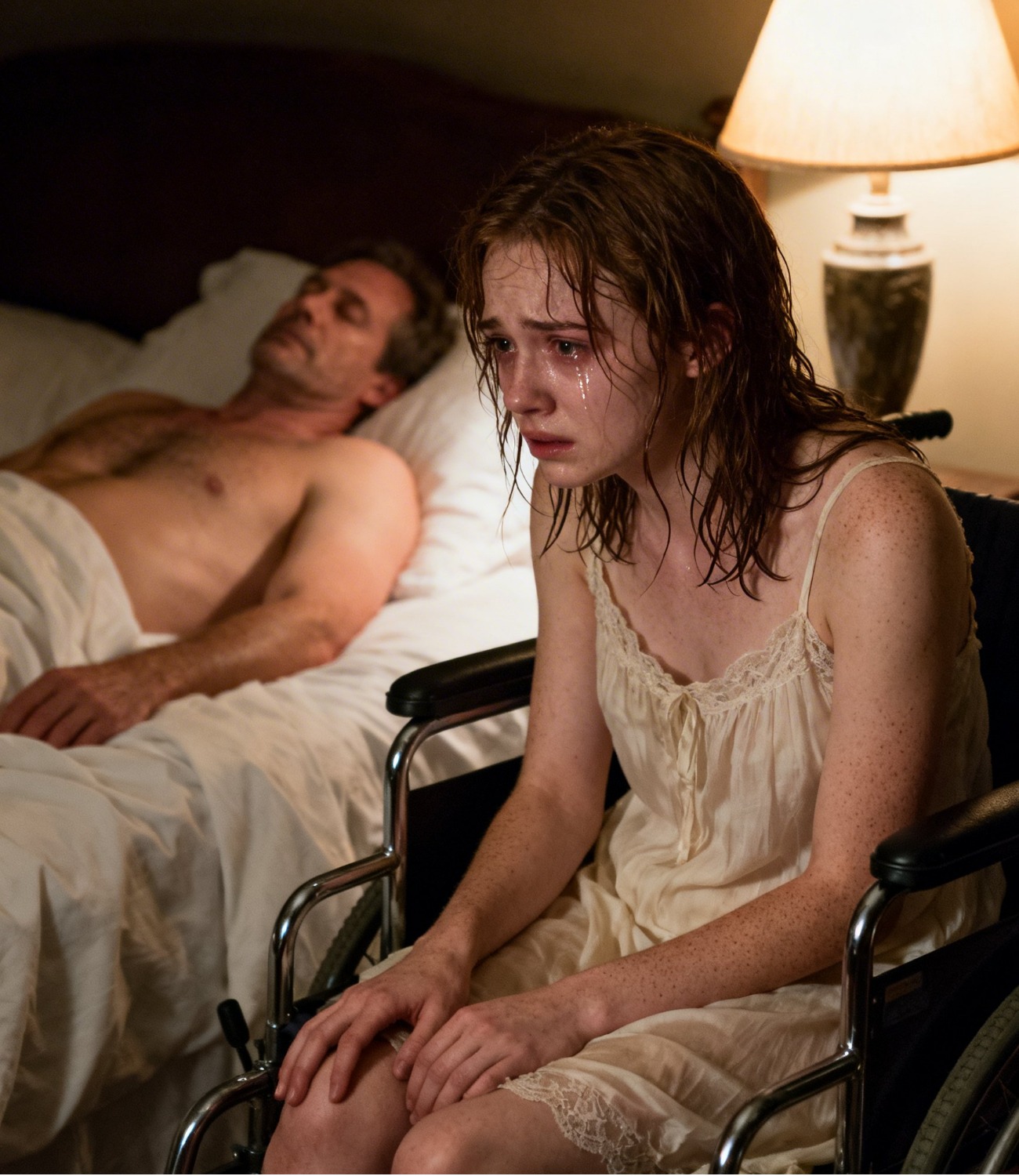
Me dejé caer en la cama, exhausta.
—Esto no es un matrimonio.
—No —admitió—. Es una alianza.
Miré el techo iluminado por la luz temblorosa de las velas.
Toda mi vida había sido una negociación entre hombres.
Mi padre negociando deudas.
Mi madrastra negociando mi futuro.
Ahora Arnav negociando poder.
La diferencia era que, por primera vez, alguien me hablaba con claridad sobre el juego.
No con promesas falsas.
No con discursos sobre amor.
Sino con verdad cruda.
—Si acepto ayudarte —dije despacio—, no lo hago por tu empresa.
Arnav esperó.
—Lo hago porque no pienso volver a ser una pieza pasiva en la historia de otros.
Una sombra de respeto cruzó su expresión.
—Entonces no serás una pieza.
Caminé hacia él y, con firmeza, tomé la silla de ruedas.
—Mañana frente a todos seguirás siendo el heredero paralizado.
—Sí.
—Pero cuando estemos solos, no me mientas nunca más.
—No lo haré.
Lo ayudé a sentarse nuevamente en la silla.
Esta vez no como enfermera.
Como cómplice.
Antes de apagar las velas, lo miré una última vez.
—¿Sabes qué es lo más irónico? —pregunté.
—¿Qué?
—Creí que me casaba con un hombre roto.
Él sostuvo mi mirada.
—Y descubriste que no lo estoy.
Negué lentamente.

—No. Descubrí que la parálisis no estaba en tu cuerpo.
Estaba en esta familia.
En su miedo.
En su ambición.
En su necesidad de control.
Apagué la última vela.
Esa noche no hubo consumación.
Hubo entendimiento.
A veces el destino no te encierra en una jaula.
Te coloca frente a una mentira tan grande que solo tienes dos opciones: huir… o aprender a moverte dentro de ella sin que te vean venir.
Y por primera vez desde que firmé aquellos papeles, no me sentí vendida.
Me sentí peligrosa.
“Dad, who is that man who always touches Mom’s body with a red cloth every time you sleep?”-NANA
Silences that Build Empires: In-Depth Investigation into Memory, Power, Collective Responsibility, and Buried Truths in Forgotten Latin Αmerican Communities of the Past

For decades, countless communities have lived surrounded by carefully maintained silences, constructed not out of ignorance, but out of convenience, fear, and power structures that learned to thrive by hiding uncomfortable truths beneath layers of routine, tradition, and apparent everyday normalcy.
This report investigates how those silences not only distorted collective memory, but also shaped local economies, social hierarchies, and political decisions that still affect the lives of people who were never consulted or informed about their own past.
Through forgotten archives, fragmented testimonies, and documents that survived by accident, an unsettling pattern emerges in which omission was used as an active tool to sustain privileges, avoid responsibilities, and rewrite official narratives accepted for entire generations.
In many towns, the history taught in schools was a carefully edited version, where certain names disappeared, others were glorified without question, and uncomfortable facts were transformed into rumors, superstitions, or simple anecdotes without academic value.
Researchers agree that institutional silence does not occur spontaneously, but requires collaboration, tacit agreements, and constant repetition that ultimately normalizes the absence of questions within everyday community life.
Α recurring example is the selective disappearance of civil records, land deeds, and judicial files that, coincidentally, always affected the same social groups—usually the poorest, racialized, or politically vulnerable.
The destruction of documents was frequently justified by fires, floods, or simple administrative errors—explanations that repeat with suspicious regularity when the most significant documentary gaps are analyzed chronologically.
However, the absence of papers did not eliminate the consequences, as the inequalities created by those decisions continued to be transmitted from generation to generation, consolidating economic structures that seemed natural but were born from deliberate acts.
Oral testimonies, long dismissed for not fitting traditional academic standards, have become key pieces for reconstructing histories that official archives consciously refused to preserve.
Escribe "OK" abajo si quieres continuar y te la enviaré inmediatamente
Mi madre quería una casa a su nombre y mi esposa se negó; después del nacimiento, esa decisión convirtió la primera semana de mi hijo en una pesadilla que terminó ante un juez.
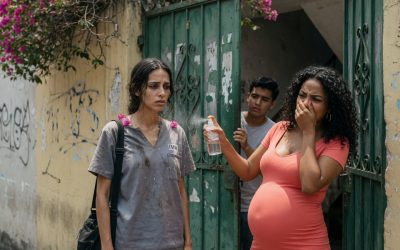
La hija que pagó dos años de cárcel por su hermano llegó a la puerta familiar, y su cuñada embarazada la recibió con alcohol, desprecio y una traición imposible de perdonar.

PARTE 2 —¿Quién les dio permiso de tocar las cosas de mi hija?……

“Después de dar a luz,Cu y cuando mi esposo vio la cara de nuestro recién nacido, comenzó a escabullirse todas las noches: la verdad me rompió el corazón”.